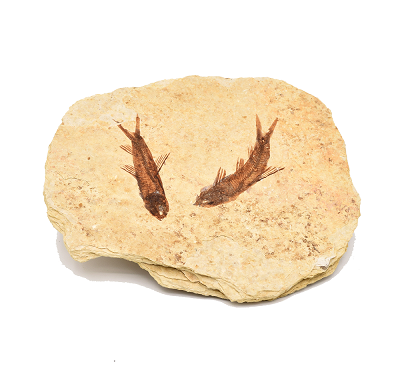
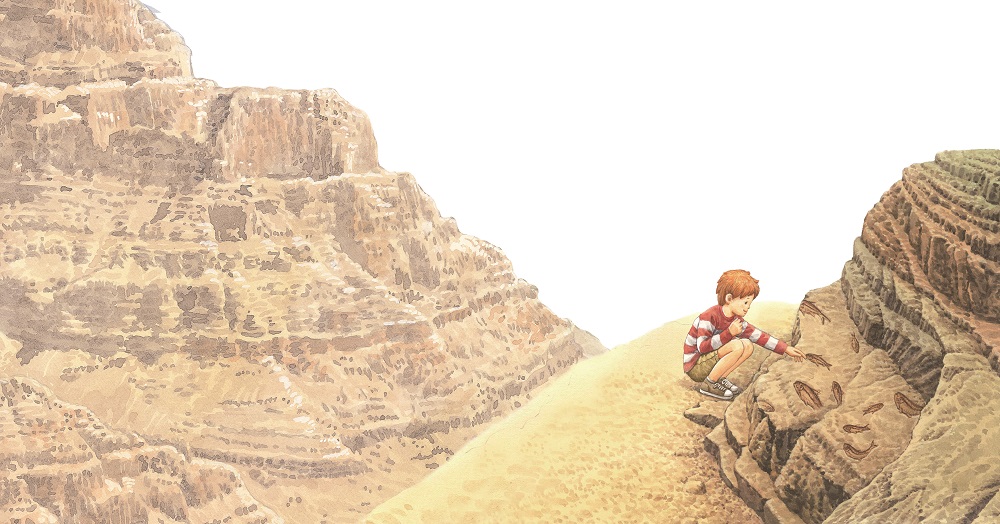
High in the mountains, a child discovers a fish fossil —
so vivid, it looks ready to swim away.
“Why did this fish turn to stone?”
Curious, the child sets out on a journey
to uncover what happened to the fish,
and the secret hidden beneath the Earth.
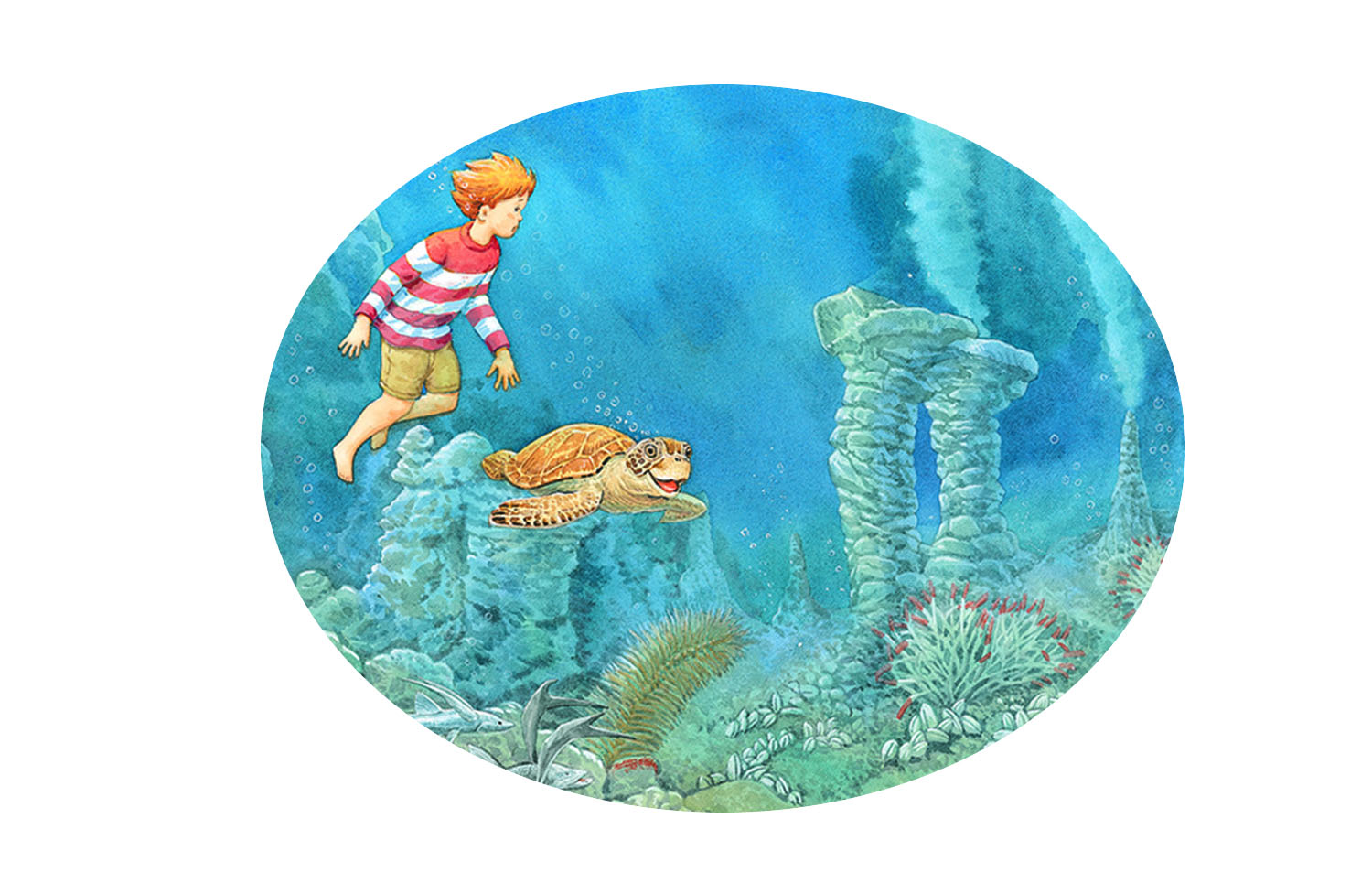
The child travels deep beneath the sea,
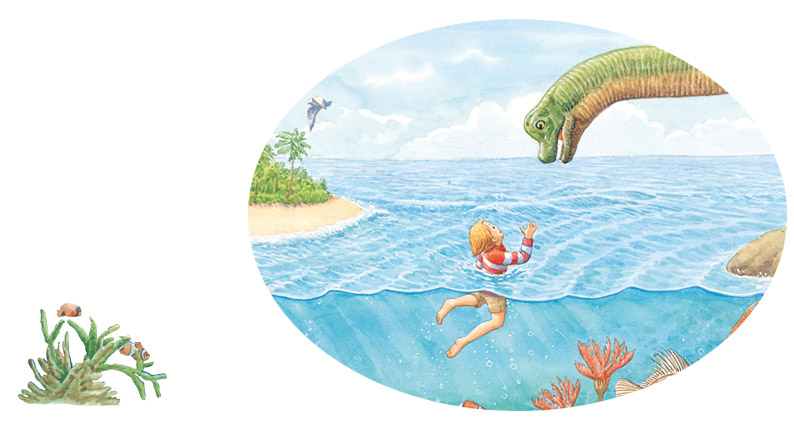
and through a passage of time
to the early Earth — peaceful and beautiful.
here, the child witnesses the extraordinary events
that once shaped this world:
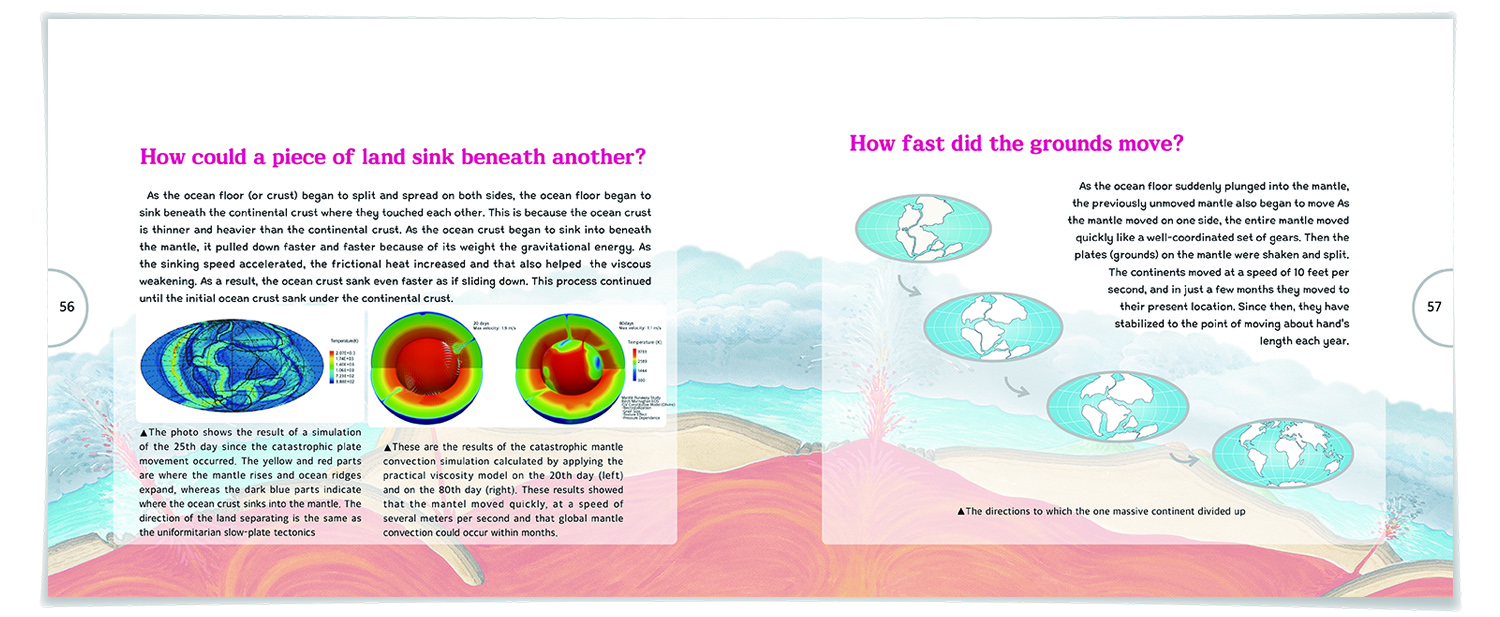
great lands cracking and splitting apart,
entire continents swallowed by water,
the ground itself shifting and dividing
into the world we know today.
Science within the Story
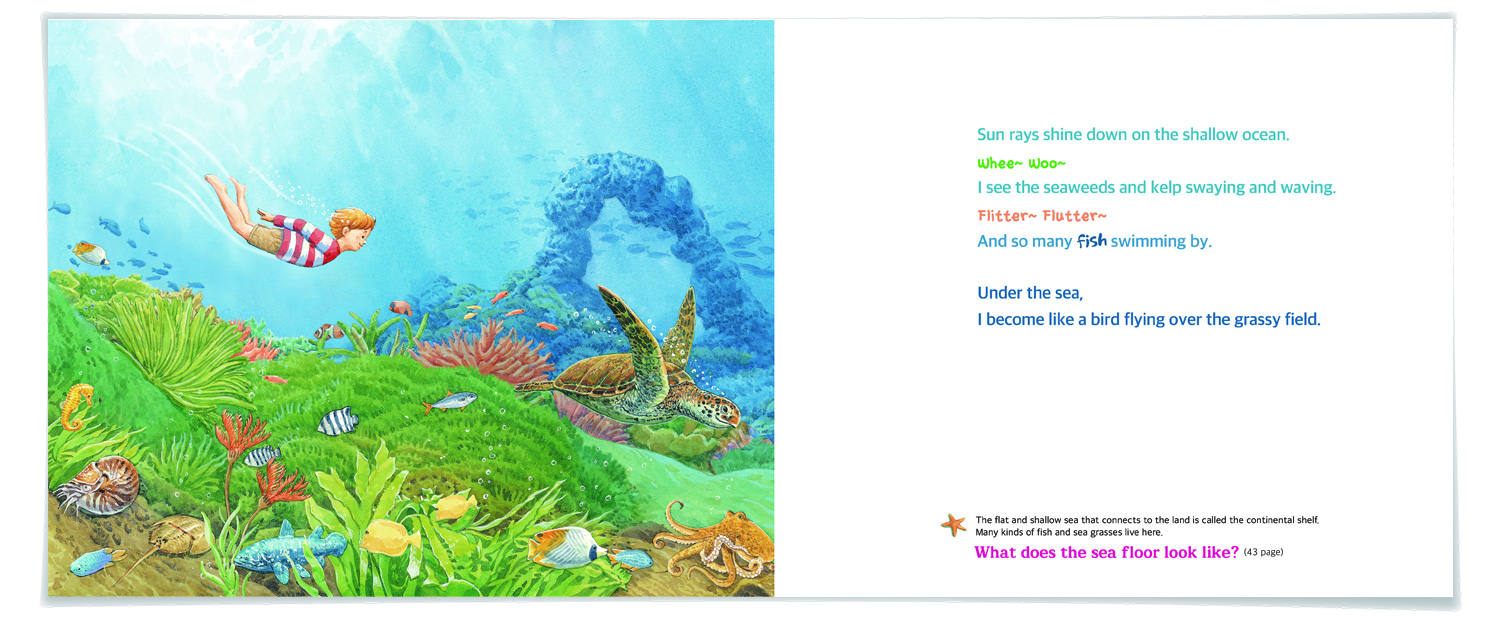
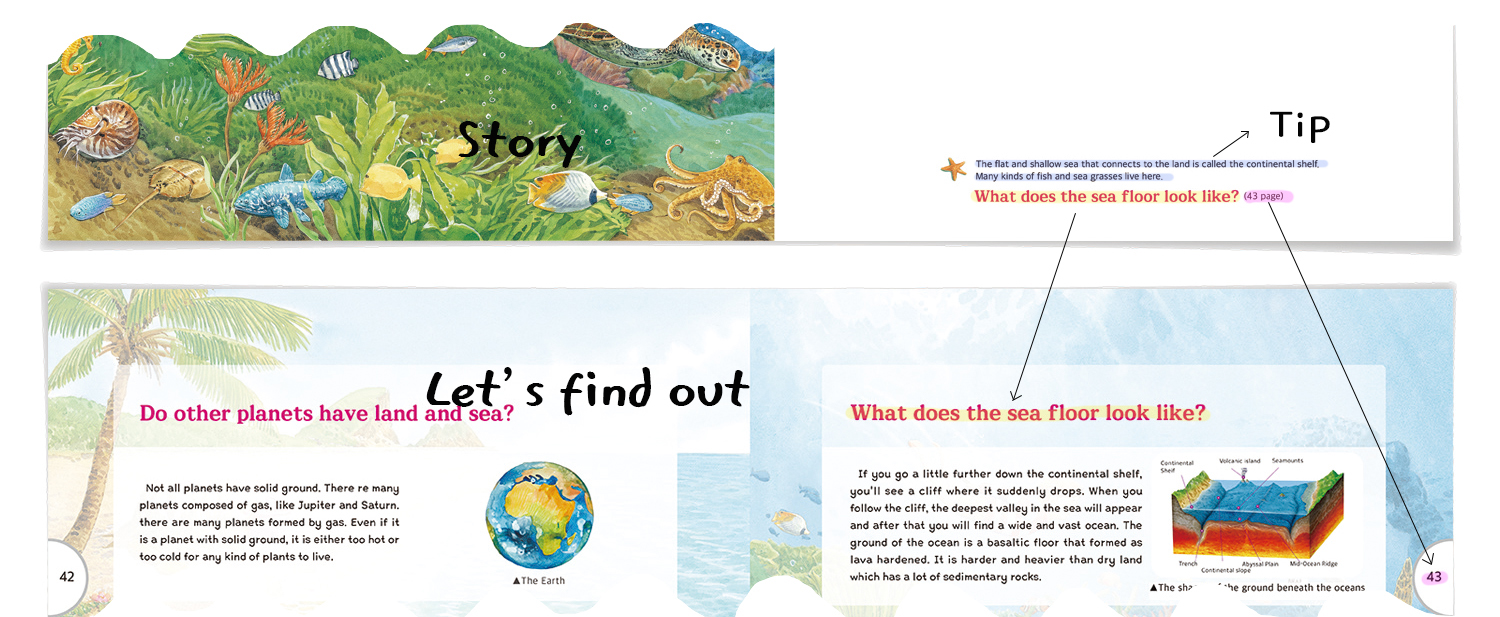
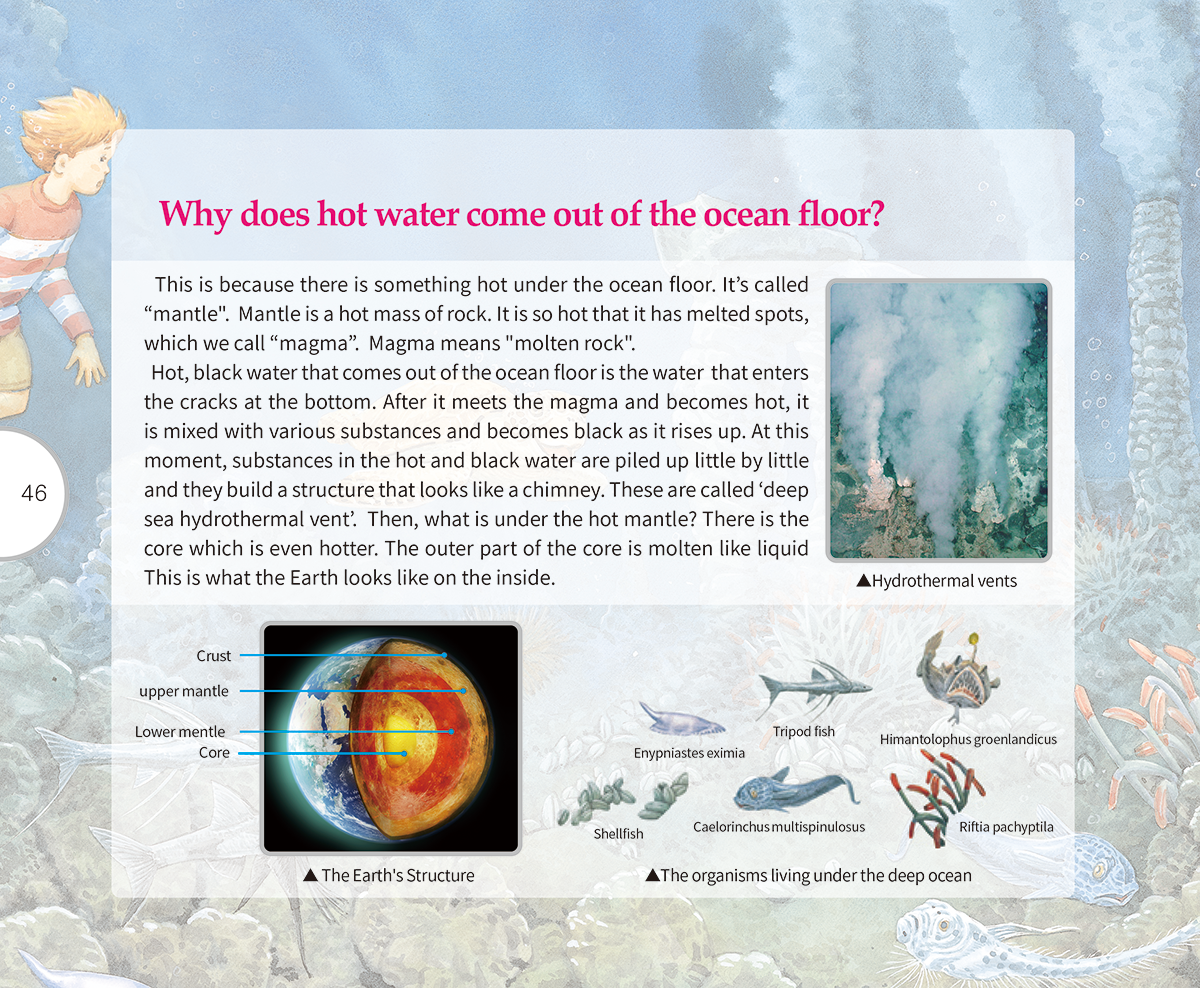
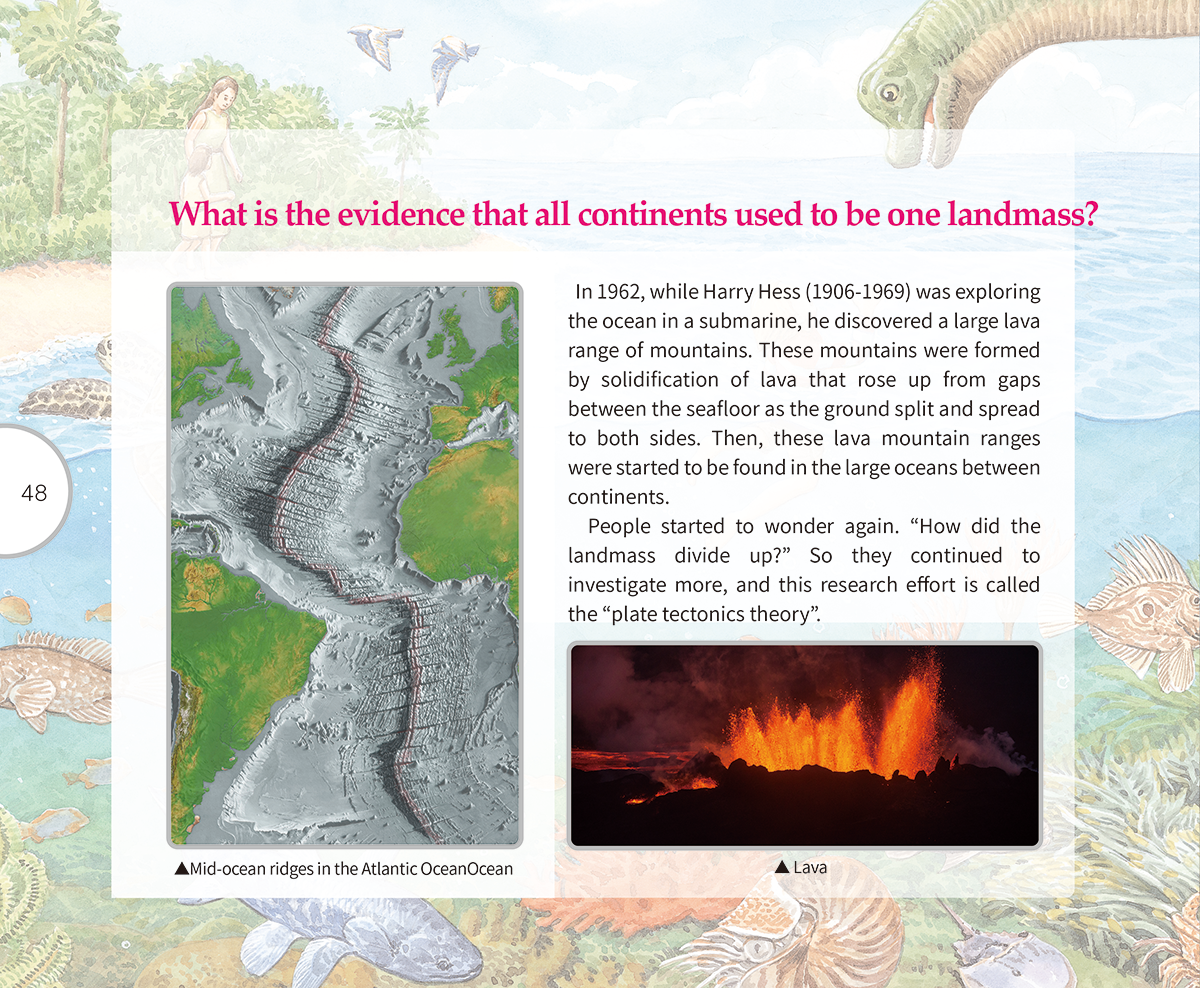
Each scene in the story includes a small Tip at the bottom of the page, sharing a simple piece of earth science. Every scene in the story is also linked to a Science Note at the back of the book, where curious readers can explore the science in more depth.
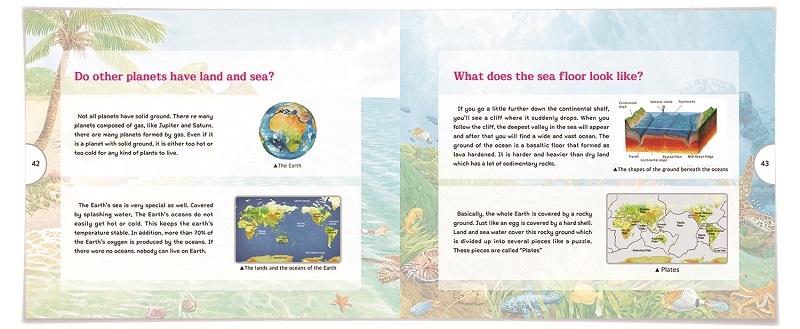
2. Let’s find out! (Science Notes)
This section gently explains the topics that young readers may grow curious about as the story unfolds.
Enlarge it
Long ago, people used to think that the Earth was flat and plain-shaped everywhere. But someone asked “Is that really so?”, and more discovery led to the realization that the Earth is round like a ball. It is important that we ask questions about what we take for granted and how we tend to think. What kind of questions, then, did scientists ask lately? And what did they find out?
Title: The Secret under the Earth Publisher: Iyagidle Books Format: 260 X 214 X 120 mm, hardcover 215 X 215 X 7 mm, paperback Pages: 70 pages Age Range: Ages 7–12 First edition: 2021, Revised edition: 2025 ISBN: 979-11-959913-4-1
“I heartily commend the author of this beautifully illustrated book for bringing together such a wide diversity of intriguing facts about the earth. Many people have been exposed to these facts and discoveries through nature books and documentaries. However, fitting all these diverse observations together into a clear and coherent understanding of the earth’s past is not a simple undertaking. This book in my view does an outstanding job in helping a person get the most crucial of the puzzle pieces in their proper locations to be able to begin to gain a peek of the big picture with all its excitement and drama.”
John Baumgardner is research professor emeritus in the school of engineering at Liberty University In Lynchburg, Virginia, USA. He has a Ph.D. in geophysics and space physics from UCLA. He spent most of his professional scientific career as a research scientist at Los Alamos National laboratory in the area of computational fluid dynamics. He is a specialist in computer modeling of the dynamics of the earth’s mantle and lithosphere.
Picture Book writer & editer. Every book I wrote is precious to the writer, but “The secret under the earth” is a special book among them. The period of planning and preparation is close to 5 years. Since it is a science picture book, I have received several inspections from renowned scientists at home and abroad and Dr. John Baumgardner’s laboratory to see if there are any mistakes based on the theory of each sentence and image. The process of finding out the secrets of the past, in which the Earth’s continent, was cracked and divided., was like a process in which a detective solved a case by solving a clue one by one. I am happy to meet such a beautiful book after hard work. Thank you all for your help.
SangWoo Oh is a freelance illustrator known for his luminous watercolors and detailed scientific illustration of plants and animals. He studied Western Painting in college, and his illustrated books include the Detailed Nature Observation series and the Textbook Illustrations series.
When Alfred Wegener proposed that the Earth’s landmasses had once been joined together as a single supercontinent, many scientists of his time mocked and ridiculed him. They believed that the land (the crust) could never move, and that the matching coastlines facing one another were merely a coincidence.However, countless pieces of evidence for moving landmasses were discovered—such as the spreading of the oceanic crust and the paleomagnetic traces along the mid-ocean ridges—and today the fact that the land moves is widely accepted. This field of study is called plate tectonics.Recently, however, some geologists have been arguing that this plate tectonic motion occurred far more rapidly in the past than it does today. The mantle convection simulations of Dr. John Baumgardner—a master of computer simulation—have drawn considerable attention, as their results reveal catastrophic movements of the plates.This book introduces readers to this catastrophic side of plate tectonic motion. I encourage you to explore this new perspective on plate tectonics through the pages of this book.
— Dong Kweon Lee (Ph.D. in Geophysics, Seoul National University)